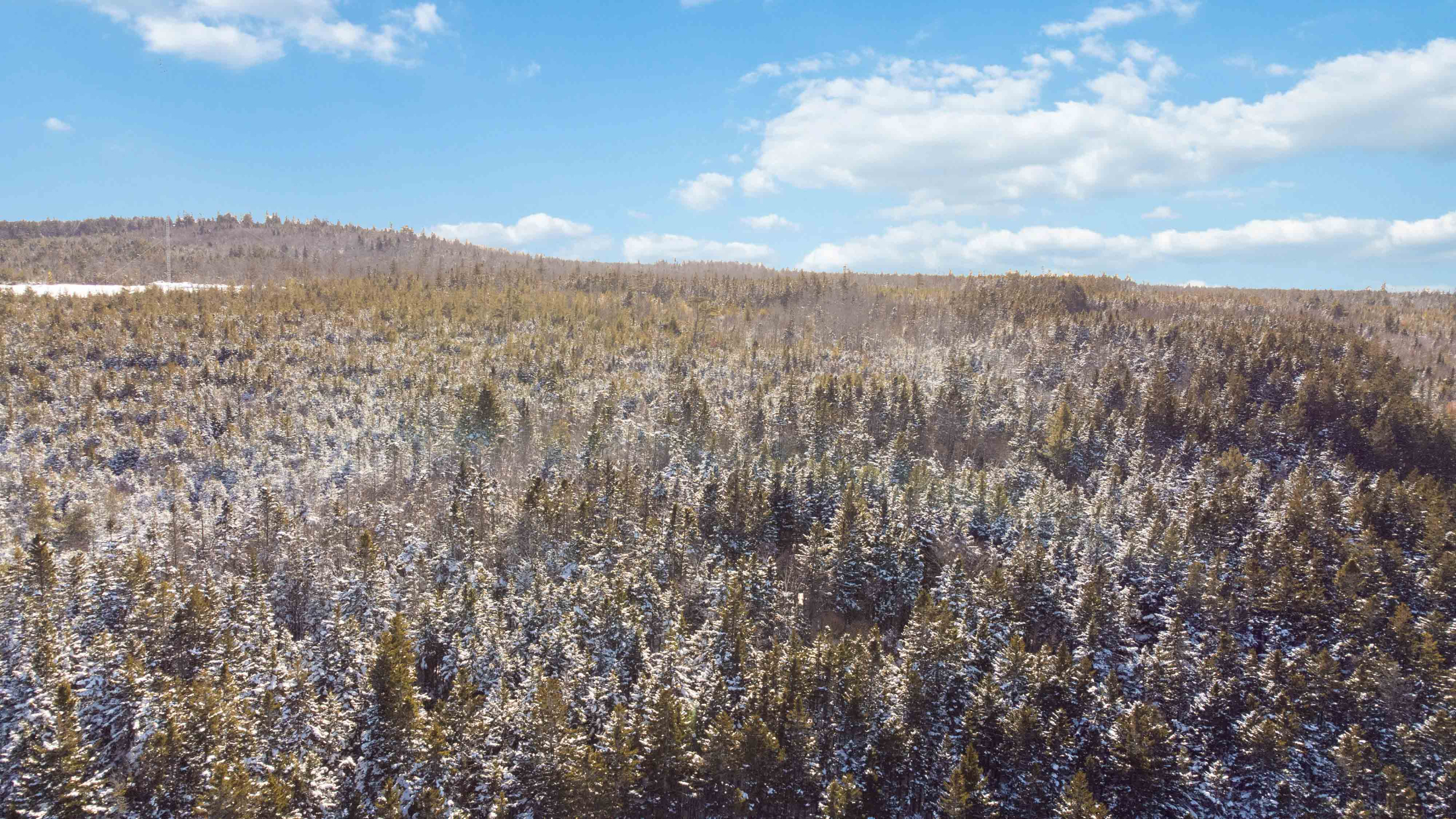
In Nova Scotia, easements and rights of way are quite common, especially the further away from Halifax you get. Many properties are land locked and are only accessible by a right of way via an easement over another property. While I can provide you with a general understanding of these concepts, it's important to note that specific laws and regulations may vary, and it's always advisable to consult with a qualified legal professional for accurate and up-to-date information.
What is an Easement?
An easement is a legal concept that grants certain rights to individuals or entities over another person's land. It is the right to use the property of another for a defined purpose while leaving the actual ownership of the property unchanged. It is important to note that a "Right of Way" is a type of easement. All "Right of Ways" are easements but not all easements are "Right of Ways"
What is a Right of Way?
So, what is a Right of Way? A "Right of Way" allows someone to cross or travel over a parcel of land that is not owned by them to access another property. For example, I own a house that is next to a lake but with no direct water frontage. However I can still access the lake over my neighbour's property with the use of a Right of Way over their land to access the lake. Another very common example of a "Right of Way": if a landlocked property does not have direct access to a public road, the owner of that property may have a right of way over a neighboring property to reach the road.
Rights of way can be established in various ways. They may be created through a written agreement between the parties involved, such as a contract or a deed. Sometimes, they are designated by law to ensure essential access or public use. The specific terms and conditions of a right of way, including its purpose, limitations, and any necessary maintenance responsibilities, are typically defined in a legal document or agreement. What's important to remember here is that details matter in your defined use and if you have been approached or want to approach a property owner about a "Right of Way" it is always advisable that you speak with your lawyer and have them review before anything is agreed upon. The creation, modification, or termination of easements and rights of will involve various legal requirements and procedures.
Finally, while the holder of a right of way has the legal authority to use the property for whatever purpose is defined, they must generally exercise that right in a manner that does not unreasonably impede or interfere with the rights of the property owner. Vice versa, owners of the land that the easement exists on should not unreasonably impede or interfere with access to the "Right of Way"
Utility, drainage and conservation easements
These easements grant utility companies the right to install and maintain utility lines, such as water pipes, power lines, or telecommunications cables. While drainage easements allow surface water to flow across a property, preventing flooding or water damage and conservation easements are used to protect environmentally significant areas or historic properties. They restrict certain uses of the land to preserve its conservation value.
Structures
When determining the "defined use" (In the context of property law, it can refer to the specific activities or functions allowed within an easement or right of way) of your easement, details matter. The ability to build a structure on an easement or right of way depends on the specific terms and conditions outlined in the legal document or agreement establishing the easement or right of way. Remember, the Grantor owns the land in which the easement resides therefore, the easement is typically for a specific purpose and does not include ownership or possessory powers.
In some cases, the terms of the easement or right of way may explicitly permit the construction of structures, such as a bridge, fence, utility shed, garden suite or utility infrastructure. However, even in such cases, there are often restrictions and limitations on the type, size, and placement of the structures to ensure they do not unreasonably interfere with the rights of the property owner.
Common restrictions or limitations on the construction of structures on easements or rights of way can vary depending on the specific terms and conditions outlined in the legal document or agreement establishing the easement or right of way. Below, are some general restrictions or limitations that are often imposed:
Size and Type of Structures: The agreement may specify the maximum size, height, and type of structures that can be built on the easement or right of way. This helps ensure that the structures do not obstruct or interfere with the intended use of the easement or right of way.
Maintenance and Access: The agreement may require that any structures built on the easement or right of way be properly maintained by the owner of the structure. It may also specify that the property owner or other authorized parties should have access to the structures for maintenance or repair purposes.
Interference with Use: Structures on the easement or right of way should generally not unreasonably interfere with the rights of the property owner or the intended use of the easement or right of way. They should not obstruct the passage, access, or visibility for other authorized users.
Removal and Restoration: The agreement may include provisions for the removal of structures upon termination or expiration of the easement or right of way. It may also require the owner of the structures to restore the affected area to its original condition once the structures are no longer needed.
Compliance with Laws and Regulations: Any construction on the easement or right of way should comply with applicable laws, regulations, permits, and zoning requirements. This may include obtaining necessary permits or approvals from local authorities.
As you can see, things can get quite messy if you are not specific in the "defined use" It's important to note that these restrictions and limitations can vary significantly based on the specific circumstances and the language of the legal document or agreement establishing the easement or right of way. As always, please seek professional advice from your lawyer.
Private Road Easements
A private road easement is a recorded grant of a property right by one or more property owners to permit vehicular access to and from a property. Just like utility easements and Rights of Way, it allows the holder the right to use another party's private property for a specific purpose, such as for a driveway, access road, or utilities like water or sewer lines.
However, since the road exists to provide access to and from multiple properties, the maintenance and regular upkeep of the road typically falls to the property owners with rights to the road easement.
Here are some benefits to a private road easement:
Access to Landlocked Properties: A private road easement provides access to landlocked properties, allowing residents to enter and exit their properties from public roads.
Utility and Maintenance Access: It allows for the installation and maintenance of utility lines, such as water or sewer lines, and provides a legal right of way for necessary maintenance activities.
Shared Responsibility: Private road easements are often shared among multiple property owners, distributing the responsibility for maintenance and use of the road.
Legal Right of Way: It provides a legal right of way for the construction and use of a shared private road, ensuring that property owners have the necessary access to their properties.
Of course, there is always a list of drawbacks too, see below:
Maintenance Responsibility: Shared private road easements often require all parties to contribute to the maintenance and repair of the road, which can lead to disagreements and financial burdens.
Limited Control: Property owners with private road easements may have limited control over the use and maintenance of the road, as decisions often require agreement among multiple parties.
Liability: There may be potential liability if someone is injured on the private road due to poor maintenance, and property owners may be held responsible.
Complex Agreements: Establishing and adhering to private road maintenance agreements can be complex and lead to disputes among property owners.
Conclusion
The concept of easements and rights of way is essential, especially in rural areas of Nova Scotia, where many properties are landlocked and rely on these legal mechanisms for access. An easement grants the right to use another's property for a specific purpose, while a right of way allows passage over another's land. These legal arrangements are crucial for ensuring access to properties and can be established through various means, such as written agreements or legal designations.
When it comes to the construction of structures on easements or rights of way, the specific terms and conditions outlined in the legal documents or agreements are paramount. While it may be possible to build certain structures, there are typically restrictions to ensure that the construction does not unreasonably interfere with the rights of the property owner or the intended use of the easement or right of way.
Private road easements, in particular, provide vital access to landlocked properties and allow for shared maintenance responsibilities. However, they also come with potential drawbacks, such as maintenance disputes, limited control, and liability concerns.
While easements and rights of way offer significant benefits in terms of property access and utility usage, they also require a clear understanding of their terms and potential implications. Property owners should approach these matters with careful consideration and, when in doubt, seek professional legal advice to ensure compliance with relevant laws and regulations.
%20(1).jpg)